 By Seren Amihan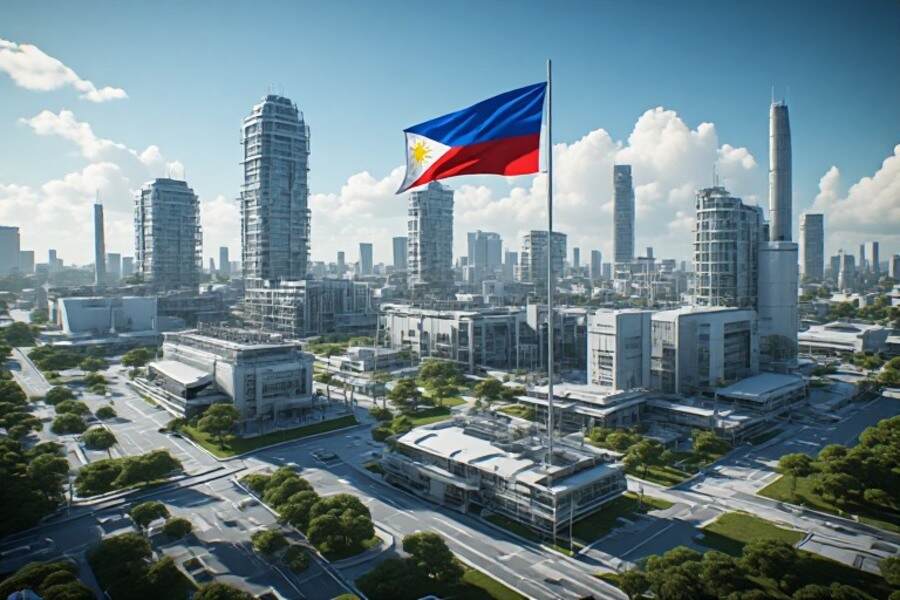
What is Pax Silica?
If the 20th century was built on oil and steel, the 21st century runs on computing power and the mineral resources that fuel it. With this formula, the US State Department describes the logic behind “Pax Silica”—an initiative launched in December 2025 that has since become a central instrument of American technology and economic security policy. The name combines the Latin “Pax” (peace, stability, long-term prosperity) with “Silica,” the raw material for silicon—the fundamental substance of modern semiconductors. It refers to an order in which allied and “trusted” partners secure the entire artificial intelligence value chain: from critical minerals and energy, through advanced manufacturing and semiconductors, to data centers, frontier models, and logistics.
Why it is trending and controversial in the Philippines
Pax Silica has become one of the hottest topics in the Philippines after the government announced its participation in the international initiative. The project is designed to strengthen the country’s role in advanced technology by supporting industries related to artificial intelligence (AI), semiconductors, data centers, and critical minerals. Supporters believe it presents an opportunity for the Philippines to attract foreign investments, strengthen its technology sector, and create thousands of high-skilled jobs for Filipino workers.
Why is Pax Silica important?
The initiative has drawn significant attention because it aims to establish a major technology and industrial hub in New Clark City, Tarlac. According to government officials, the project could help modernize the country’s digital infrastructure, improve semiconductor manufacturing, and position the Philippines as a more competitive player in the global technology industry. Supporters view the initiative as a chance to accelerate innovation while encouraging economic growth through advanced manufacturing and digital development.

Why is Pax Silica controversial?
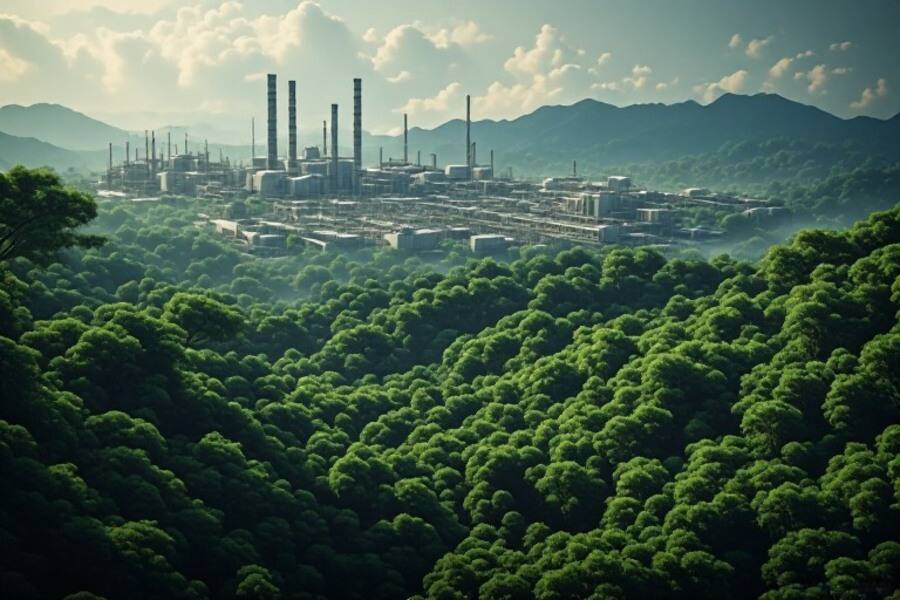
One of the biggest concerns is its possible effect on the environment. Large-scale technology facilities often require substantial amounts of electricity and water, leading critics to question whether natural resources can be managed sustainably while protecting nearby ecosystems.
Others are concerned about the possible displacement of communities if future expansion requires additional land. Some critics have also questioned whether local residents will truly benefit from the promised investments and employment opportunities or whether the majority of the economic gains will primarily benefit foreign companies and multinational investors.
The geopolitical debate
Another reason for the public debate is geopolitics. Since Pax Silica is supported by international partners led by the United States, some observers believe the initiative could place the Philippines at the center of growing technological and economic competition between major global powers. These concerns have fueled widespread discussions across social media, making Pax Silica one of the country’s most searched and debated topics.

Looking ahead
Supporters argue that the project could transform the Philippines into a regional technology hub while creating new opportunities for Filipino engineers, IT professionals, and other skilled workers.
Whether viewed as an opportunity or a concern, the initiative has sparked an important national conversation about technology, sustainability, foreign investment, and the future direction of the Philippines.